
TPO roofing
TPO roofing for Texas commercial buildings.
A TPO roof is one of the most common choices for flat and low-slope commercial buildings. Here's what it is, how it goes on, how it's repaired, and how it honestly stacks up against PVC and EPDM.
What TPO is
A single-ply membrane with welded seams.
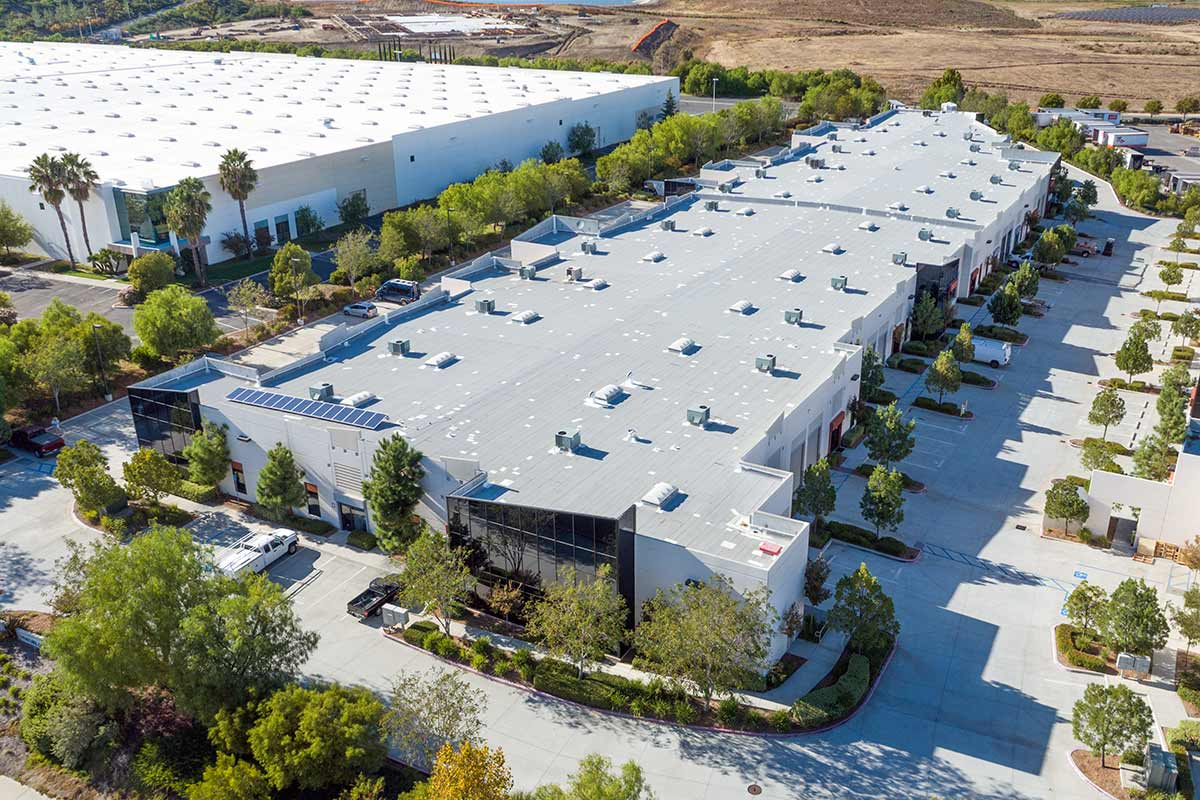
TPO stands for thermoplastic polyolefin. It is a single-ply roofing membrane that comes in large rolls, usually white, and is installed over insulation on flat and low-slope roofs. Because it is a thermoplastic, its seams are joined with hot air — the two sheets are melted together into one continuous piece rather than glued or taped.
That welded seam is a big part of why TPO roofing is so widely used on warehouses, retail centers, offices, churches, clinics and multi-tenant buildings. Seams are where most flat roofs fail, and a properly welded TPO seam is one of the strongest connections you can get on a single-ply roof.
TPO is also light, which matters on buildings where structural load is a concern, and its white surface reflects a large share of the sun instead of soaking it up.
Installation
How a TPO roof is installed.
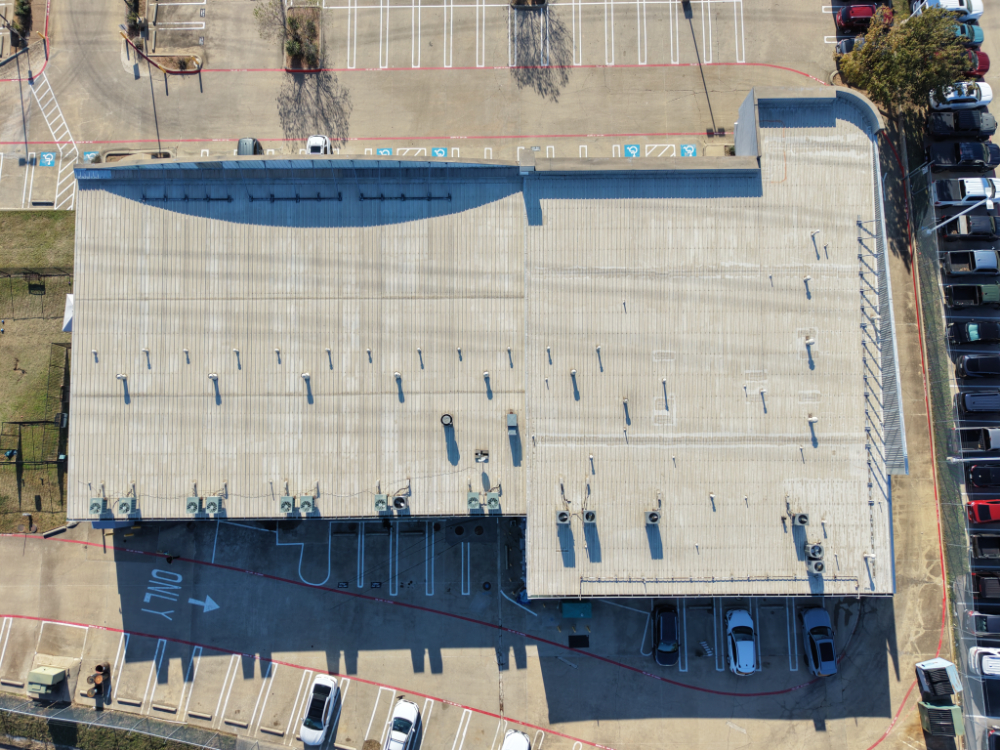
A TPO install starts with the deck. We make sure it is sound and clean, then install insulation boards — often tapered to move water toward drains. The membrane goes over the insulation and is attached one of three ways: mechanically fastened through the insulation into the deck, fully adhered with bonding adhesive, or, less commonly, held down with ballast.
Seams are then welded with a hot-air welder and probed to check that the weld is continuous. Walls, curbs, rooftop units, pipes and drains are flashed with TPO flashing membrane and accessories, and edges are finished with metal edge or coping. The details are where a TPO roof succeeds or fails, so we spend our time there.
If you're weighing a new TPO roof against other systems, our commercial roof replacement page covers the full process and how we keep your building operating during the work.
TPO repair
Repairing an existing TPO roof.
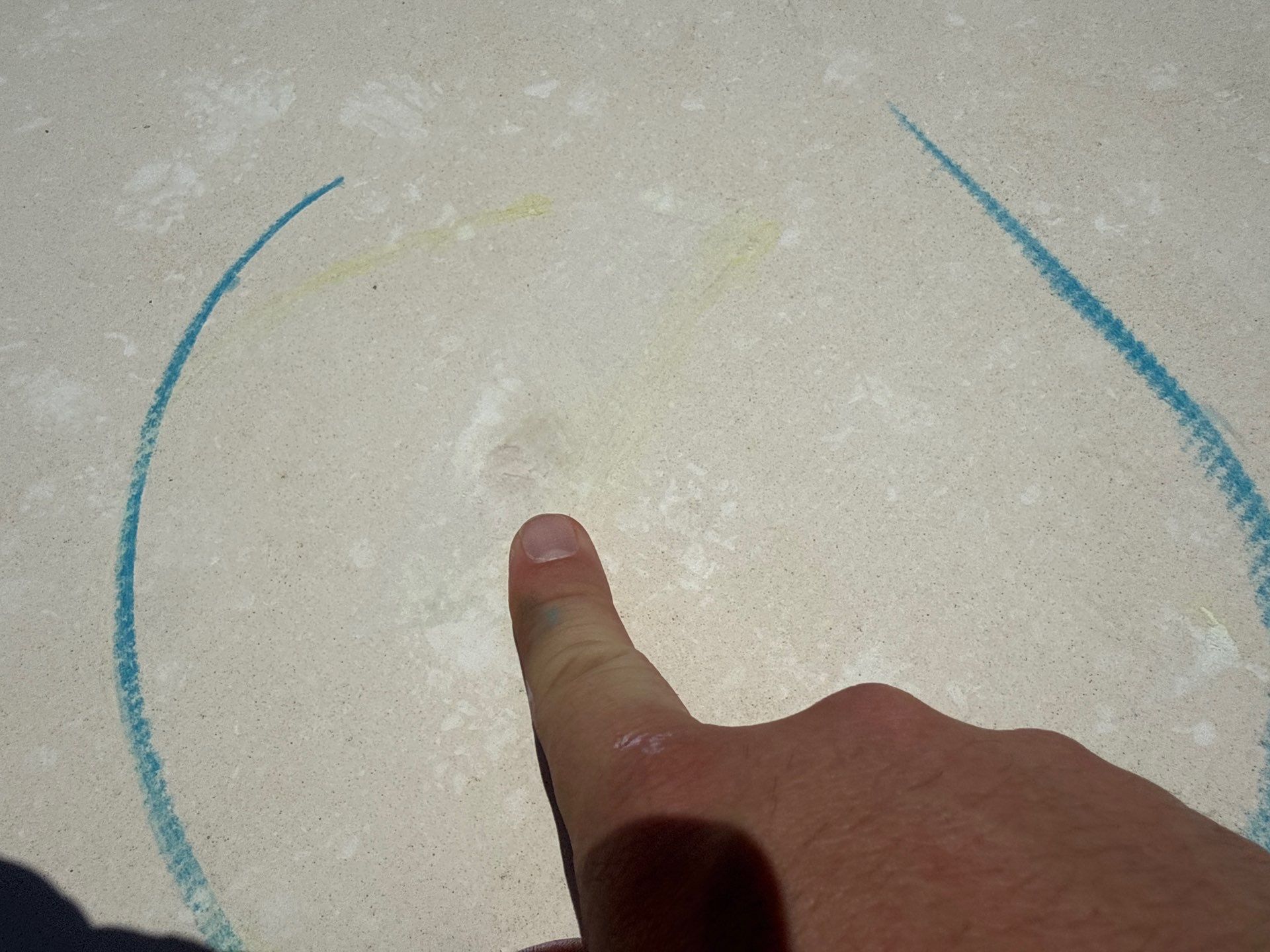
Most TPO problems come down to a handful of causes: seams that were poorly welded or have been stressed by heat and movement, punctures from foot traffic, dropped tools or hail, flashing that has pulled loose at walls and curbs, and older membrane that has weathered at the surface.
Repairs are made by cleaning and preparing the existing membrane, then welding new TPO patches or re-welding seams. Older TPO can be harder to weld because the surface weathers, so preparation matters. When a TPO roof has many failures across the whole field, repair may stop being the best option.
See commercial roof repair for how we trace leaks, and commercial roof inspection if you want a full written picture of your TPO roof's condition.
TPO vs PVC vs EPDM
An honest comparison.
All three are proven single-ply systems, and each is the right answer for some buildings. We don't push one; we help you choose based on your building. Here's a plain-language view of the trade-offs.
- 01
TPO
Pros: heat-welded seams, reflective white surface, light weight, widely used and well understood. Cons: quality varies between products, and older membrane can be harder to weld for repairs.
- 02
PVC
Pros: heat-welded seams and strong resistance to grease, oils and many chemicals — a common pick for restaurants. Cons: typically a higher upfront cost than TPO, and it can become less flexible with age.
- 03
EPDM
Pros: a rubber membrane with a long track record, flexible in temperature swings and relatively simple to repair. Cons: seams are taped or glued rather than welded, and the traditional black version absorbs more heat.
Built for Texas heat
Why TPO suits a Texas summer.
Long, hot Texas summers are hard on any roof, and on a dark roof surface temperatures climb fast. A white TPO membrane reflects much of that sunlight, which can help keep the roof surface and the space below cooler and reduce strain on rooftop HVAC.
Welded seams also matter in a climate with big daily temperature swings and spring storms. The roof expands and contracts every day, and when hail or wind hits, a continuous welded membrane has fewer weak points than a roof held together with adhesives and tape.
To keep a TPO roof performing, routine attention helps — see commercial roof maintenance. If hail has already come through, our commercial storm restoration process documents the roof so you can decide your next step. You file any claim with your carrier; we handle the roof. For everything else we do, visit commercial roofing.
Common questions
Straight answers.
What is a TPO roof?
TPO (thermoplastic polyolefin) is a single-ply roofing membrane, usually white, installed over insulation on flat and low-slope roofs. Its seams are welded together with hot air, forming one continuous membrane.
Is TPO a good roof for Texas?
For many commercial buildings, yes. The white surface reflects sunlight, and welded seams hold up well to daily heat cycles. Whether it's the best choice for your building depends on rooftop use, chemical exposure and structure, which we'll talk through with you.
Can a TPO roof be repaired?
Yes. Punctures and open seams are repaired by cleaning the membrane and welding new TPO patches or re-welding seams. Older, weathered membrane takes more preparation, and widespread failures may point toward replacement.
Should I choose TPO or PVC?
Both have welded seams. PVC handles grease and chemicals better, which matters for restaurants and some industrial buildings. TPO is very widely used and typically less expensive upfront. We'll recommend based on what your roof is exposed to.
Can TPO go over my existing roof?
Sometimes, depending on the condition of the existing roof, whether insulation is wet, how many layers are already there and local code. We assess the roof first and tell you whether a tear-off is needed.
Considering TPO for your building?
Call or text and we'll look at your roof and give you an honest read on whether TPO fits.